Unani Medicine

Unani Medicine
A Timeless Tradition and the Mustafai Legacy
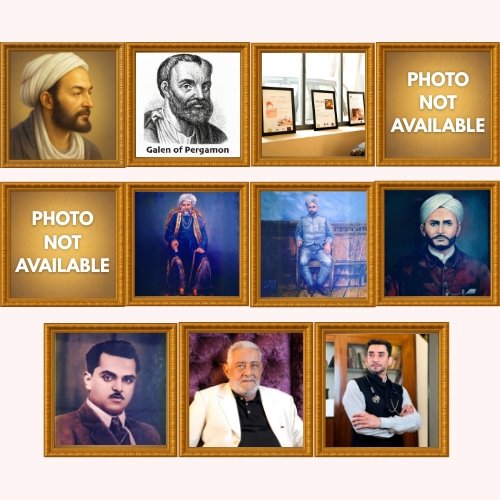
Unani Medicine, or Unani Tibb, is a holistic healing system with origins in ancient Greece. Founded by Hippocrates (460–377 BCE) through his humoral theory of four bodily fluids—Dam (blood), Balgham (phlegm), Safra (yellow bile), and Sauda (black bile)—it was refined by Galen and later enriched during the Islamic Golden Age by scholars like Ibn Sina (Avicenna), Al-Razi, and Al-Zahrawi.
Introduced to India in the 11th century, Unani flourished under the Delhi Sultanate and Mughal Empire. Hakims adapted it to India’s climate, flora, and diseases, making it truly indigenous. Today, it is officially part of India’s AYUSH system and continues to grow through programs like B.U.M.S (Bachelor of Unani Medicine & Surgery).
The Mustafai Legacy
The Mustafai tradition began with Hakim Syed Murtuza Bakshi in the Mughal period. His son Hakim Syed Ishaq Bakshi moved south under Nawab Hyder Ali, followed by Hakim Syed Hameed Saheb who served Tipu Sultan. In 1865, Hakim Syed Hameed Saheb founded the Mustafai Unani Pharmacy in the name of his son, Hakim Syed Mustafa Ahmed. After his father’s early death, Mustafa Ahmed, just 16, led the practice with great success. He also established the Unani and Ayurvedic College and Hospital in Mysore and a women’s orphanage (Yateem Khana), both still active today. The legacy continued with Hakim Syed Ahmed II and later Dr. Hakim Syed Jawad Ahmed, who was awarded a gold medal by the Government of India in 1994 for his contributions. Today, Dr. Hakim Syed Imran Ahmed carries forward this heritage, modernizing operations while preserving authenticity and expanding the reach of Mustafai Unani Pharmacy across India and abroad.
Methods of Diagnosis in Unani Medicine
Diagnosis in Unani medicine focuses on understanding the individual’s unique temperament (Mizaj) and identifying humoral imbalances. Key diagnostic methods include:
Mizaj (Temperament) Assessment
Evaluation of the patient’s constitution—hot, cold, moist, or dry—to understand their natural predispositions and disease tendencies.Pulse Examination (Nabz)
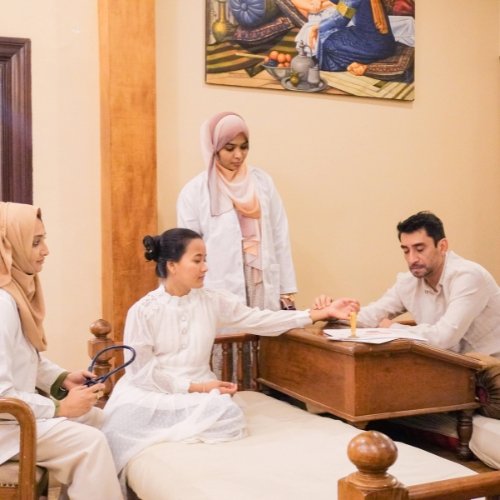
Analyzing rhythm, strength, and character of the pulse to assess internal balance and vitality.Urine and Stool Analysis
Observing color, odor, consistency, and quantity for signs of digestive and systemic imbalance.Physical Examination
Inspection of the tongue, eyes, skin, and body structure to detect signs of disorder.Detailed Case History
Exploring lifestyle, emotional health, diet, sleep, and past illness to uncover root causes.
Treatment Principles in Unani Medicine
The goal of Unani treatment is to restore harmony between the body’s internal constitution and the environment. Four foundational modes of therapy are:
Ilaj bil Tadbeer (Regimental Therapy)
Includes techniques such as Hijama (cupping), Hammam (steam therapy), massage, exercise, and Fasd (bloodletting) to detoxify and re-establish balance.Ilaj bil Ghiza (Dietotherapy)
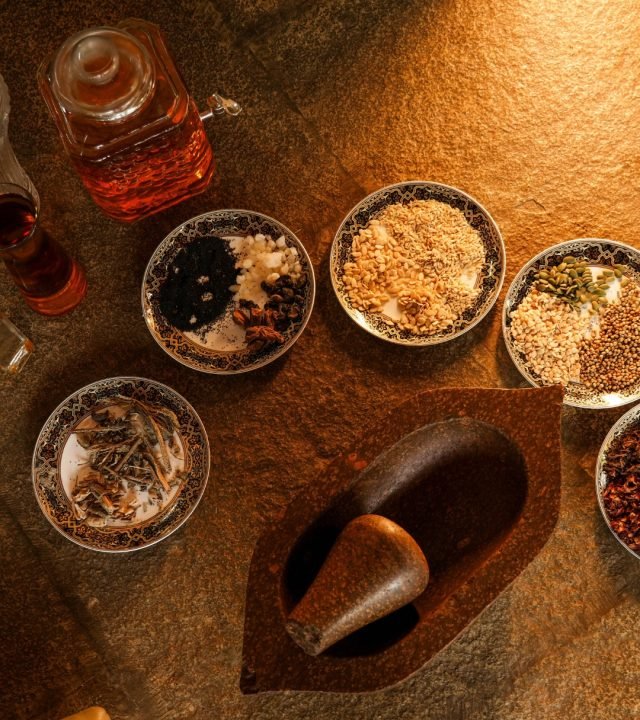
Personalized nutritional plans tailored to the patient’s temperament, aimed at correcting imbalances and promoting natural healing.Ilaj bil Dawa (Pharmacotherapy)
Use of time-tested herbal, mineral, and animal-based medicines, formulated for safety and efficacy.Ilaj bil Yad (Surgical Intervention)
Applied in specific cases, following techniques pioneered by early Unani surgeons like Al-Zahrawi.
A Living Tradition
Unani medicine is more than a system of healing—it is a philosophy of life. It emphasizes balance between body, mind, and soul, aligning human health with nature’s rhythms.
At Airyaman Holistic Hive, we honor this legacy by combining ancient Unani wisdom with modern holistic wellness. Our treatments are tailored to your unique constitution, offering time-honored care in today’s world.