


Make Your Own Medicine – Rrhman Holistic Hive
✅ 1. Misconception: “Unani is just traditional folk healing with no scientific basis.”
Reality: Unani is a codified system of medicine with roots in Greek, Arabic, and Persian scholarship. It includes structured diagnostic principles (Mizaj, Akhlat, Asbab-e-Sitta Zarooriya) and regulated pharmacopoeia. Today, many Unani medicines and therapies are standardized and researched under AYUSH councils and universities.
✅ 2. Misconception: “Unani works slowly and only for chronic illness.”
Reality: While Unani is excellent for chronic and lifestyle-based conditions (arthritis, PCOS, infertility, asthma), it also offers quick relief treatments for acute issues such as fevers, pain, digestive problems, infections, migraines, etc.

✅ 3. Misconception: “Unani medicines have side effects or contain heavy metals.”
Reality: Most Unani drugs are plant-based and prepared through classical purification processes. Only a fraction include minerals, and those are detoxified through safe traditional methods. Adverse effects occur only with self-medication or unqualified practitioners.
✅ 4. Misconception: “Unani is only about ‘herbal tablets and tonics’.”
Reality: Unani includes a wide range of therapies such as:
- Regimenal therapies (Ilaj bit Tadbeer): Hammam, cupping (Hijama), Dalk (massage), Leech therapy, Nutool (irrigation)
- Dietotherapy (Ilaj bil Ghiza): Healing through foods and temperament-based diet
- Pharmacotherapy (Ilaj bid Dawa): Herbal, mineral and animal-origin formulations
- Surgery (Ilaj bil Yad): Historically used in select conditions

✅ 5. Misconception: “Unani is religious or restricted to a particular community.”
Reality: Unani is a Greco-Arabic system that evolved through Persian, Turkish, and Indian scholars. It is practiced globally and is not linked to any religion or ethnicity.
✅ 6. Misconception: “Hijama/Cupping is unsafe and causes infection.”
Reality: When performed by trained professionals using sterilized instruments and proper anatomical knowledge, cupping is safe and widely accepted even in modern sports medicine and rehabilitation.
✅ 7. Misconception: “Unani treatments cannot be taken with modern medicine.”
Reality: Integrated therapy is possible when supervised by a qualified Hakim who understands drug interactions. Many treatments complement allopathic care and reduce dependency on long-term pharmaceuticals.
✅ 8. Misconception: “Unani doesn’t diagnose scientifically.”
Reality: Unani diagnosis includes:
- Pulse (Nabz) examination
- Mizaj (temperament assessment)
- Urine & stool analysis
- Clinical symptoms
Today, Unani physicians also incorporate lab tests, imaging, and reports for accuracy.
✅ 9. Misconception: “Unani cures require strict lifestyle changes only.”
Reality: Lifestyle guidance is part of preventive care, but therapeutic regimens can be tailored to patient comfort. Compliance and moderation lead to better outcomes, not strict austerity.
✅ 10. Misconception: “Unani isn’t recognized or regulated.”
Reality: In India and many countries, Unani is formally regulated with:
- Bachelor’s & MD degrees (BUMS / MD Unani)
- Research councils (CCRUM, NMPB, AYUSH)
- Pharmacies and hospitals under national standards
Make Your Own Medicine
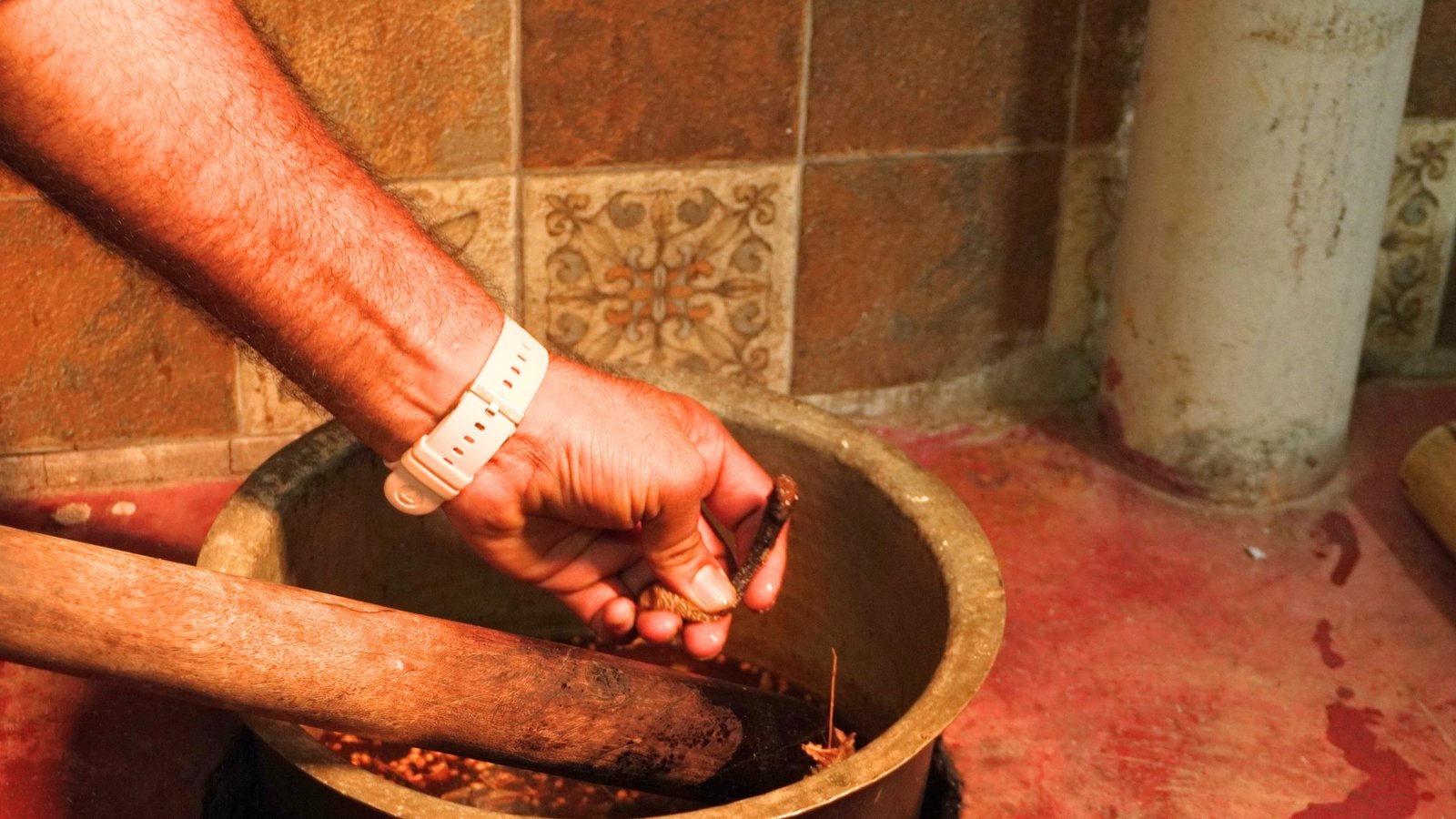
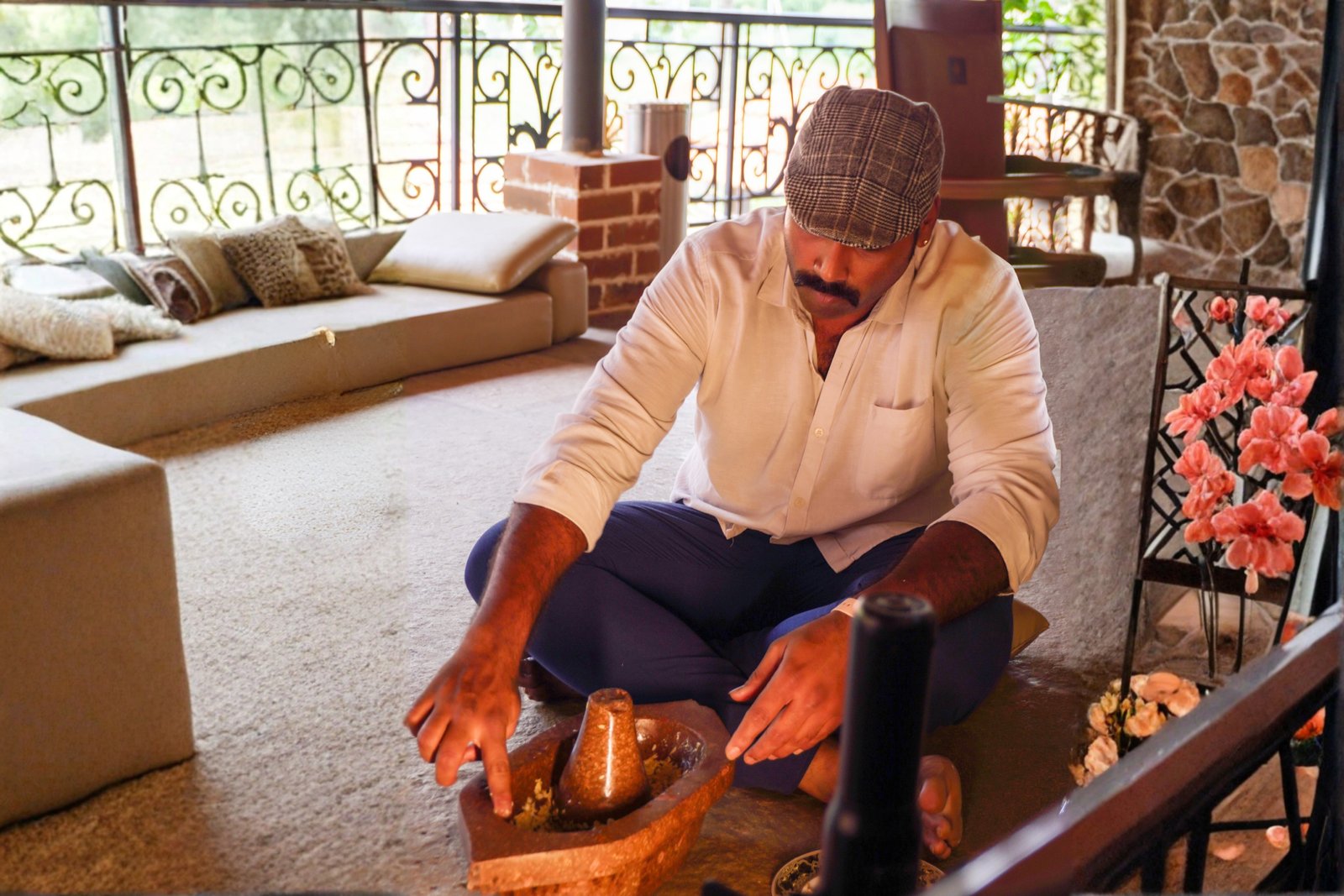
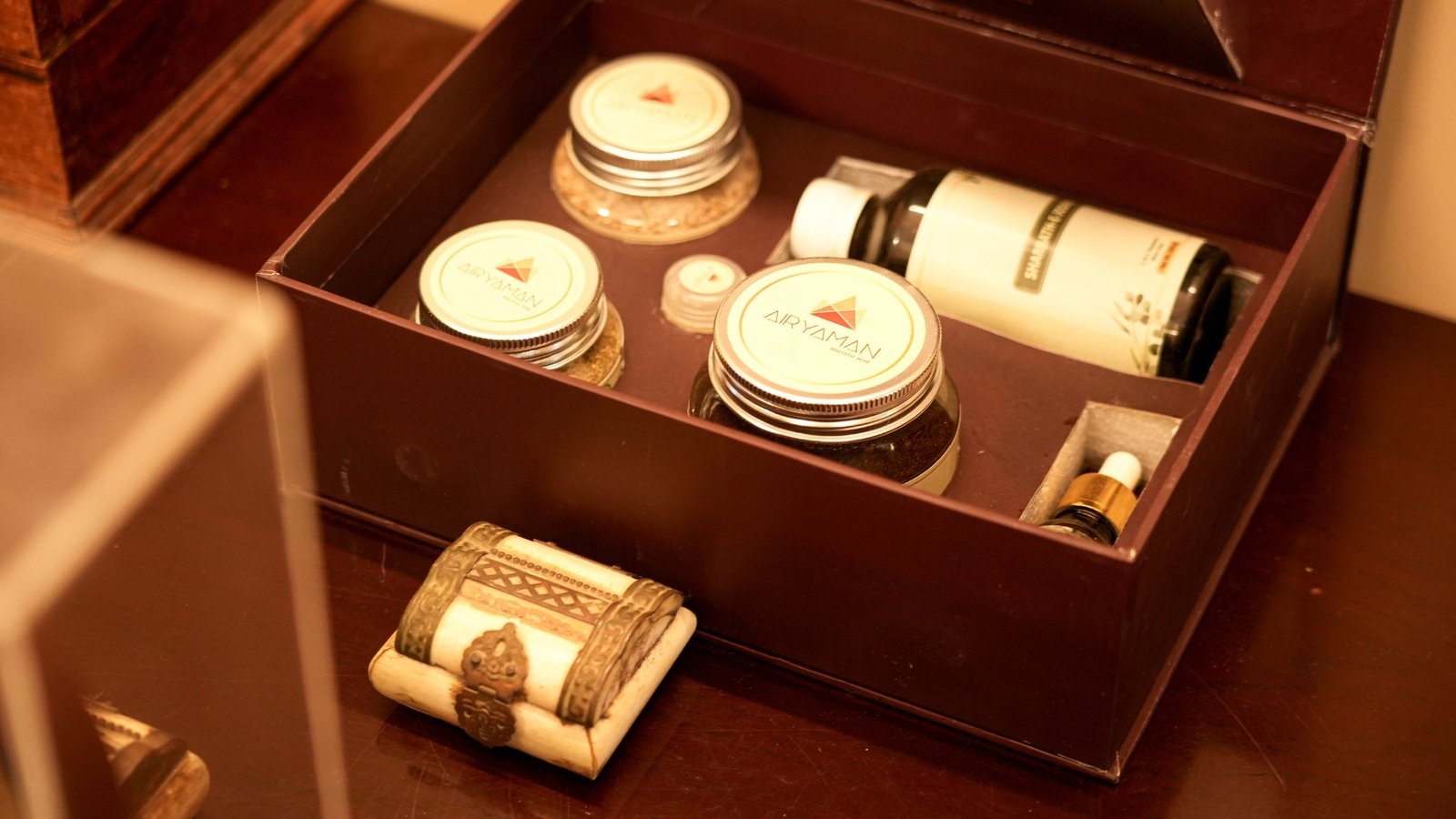
Often people have misconceptions and created doubts about alternative medicines including Ayurvedic and Unani medicines — that they use heavy metals or steroids. Thus ruling out these misconceptions, we have a platform at Airyaman Holistic Hive to make your own medicine while understanding various aspects about self and our medication.
1. Misconception: “Unani is just traditional folk healing with no scientific basis.”
Reality: Unani is a codified system of medicine with roots in Greek, Arabic, and Persian scholarship. It includes structured diagnostic principles (Mizaj, Akhlat, Asbab-e-Sitta Zarooriya) and regulated pharmacopoeia. Today, many Unani medicines and therapies are standardized and researched under AYUSH councils and universities.
2. Misconception: “Unani works slowly and only for chronic illness.”
Reality: While Unani is excellent for chronic and lifestyle-based conditions (arthritis, PCOS, infertility, asthma), it also offers quick relief treatments for acute issues such as fevers, pain, digestive problems, infections, migraines, etc.
3. Misconception: “Unani medicines have side effects or contain heavy metals.”
Reality: Most Unani drugs are plant-based and prepared through classical purification processes. Only a fraction include minerals, and those are detoxified through safe traditional methods. Adverse effects occur only with self-medication or unqualified practitioners.
4. Misconception: “Unani is only about ‘herbal tablets and tonics’.”
Reality: Unani includes a wide range of therapies such as:
- Regimenal therapies (Ilaj bit Tadbeer): Hammam, cupping (Hijama), Dalk (massage), Leech therapy, Nutool (irrigation)
- Dietotherapy (Ilaj bil Ghiza): Healing through foods and temperament-based diet
- Pharmacotherapy (Ilaj bid Dawa): Herbal, mineral and animal-origin formulations
- Surgery (Ilaj bil Yad): Historically used in select conditions
5. Misconception: “Unani is religious or restricted to a particular community.”
Reality: Unani is a Greco-Arabic system that evolved through Persian, Turkish, and Indian scholars. It is practiced globally and is not linked to any religion or ethnicity.
6. Misconception: “Hijama/Cupping is unsafe and causes infection.”
Reality: When performed by trained professionals using sterilized instruments and proper anatomical knowledge, cupping is safe and widely accepted even in modern sports medicine and rehabilitation.
7. Misconception: “Unani treatments cannot be taken with modern medicine.”
Reality: Integrated therapy is possible when supervised by a qualified Hakim who understands drug interactions. Many treatments complement allopathic care and reduce dependency on long-term pharmaceuticals.
8. Misconception: “Unani doesn’t diagnose scientifically.”
Reality: Unani diagnosis includes:
- Pulse (Nabz) examination
- Mizaj (temperament assessment)
- Urine & stool analysis
- Clinical symptoms
Today, Unani physicians also incorporate lab tests, imaging, and reports for accuracy.
9. Misconception: “Unani cures require strict lifestyle changes only.”
Reality: Lifestyle guidance is part of preventive care, but therapeutic regimens can be tailored to patient comfort. Compliance and moderation lead to better outcomes, not strict austerity.
10. Misconception: “Unani isn’t recognized or regulated.”
Reality: In India and many countries, Unani is formally regulated with:
- Bachelor’s & MD degrees (BUMS / MD Unani)
- Research councils (CCRUM, NMPB, AYUSH)
- Pharmacies and hospitals under national standards